
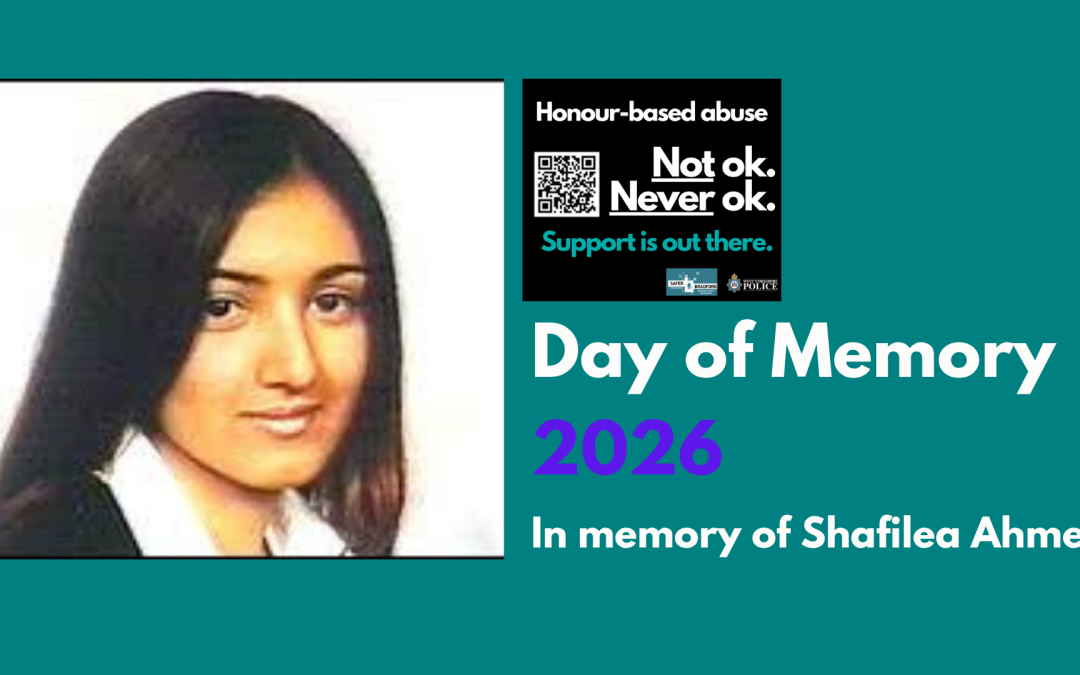
The 14 July marks the National Day of Memory for victims of Honour-Based Abuse (HBA). Observed each year on the birthday of Shafilea Ahmed, the day provides an opportunity to remember those whose lives have been tragically lost to honour-based abuse and violence, while raising awareness of a form of abuse that too often remains hidden. This year would have been Shafilea’s 40th birthday, making this an especially poignant moment to reflect, remember, and renew our commitment to preventing honour-based abuse.
Shafilea Ahmed was a British-Pakistani teenager born in Bradford, West Yorkshire, in 1986. Her family later moved to Warrington, Cheshire, where she grew up. At the age of 17, Shafilea was murdered by her parents in a case that became one of the UK’s most high-profile examples of so-called honour-based abuse and violence. Her death brought national attention to issues including forced marriage, coercive control and the importance of safeguarding those at risk.
While much of Shafilea’s life was spent in Warrington, her birth and family roots in Bradford mean that her story continues to hold particular significance for communities and professionals across West Yorkshire. Her legacy serves as a powerful reminder of the importance of recognising the signs of honour-based abuse, listening to victims, and taking action to protect those at risk.
Across Bradford, the Domestic Abuse and Sexual Violence (DASV) Team, in collaboration with partner organisations, continues to strengthen its response to honour-based abuse by embedding practical tools and processes designed to support victims and improve safeguarding. This work includes the implementation of DAMAPO, which enables the proactive monitoring of Forced Marriage Protection Orders, helping agencies to identify and respond to risk more effectively. Alongside this, multi-agency Honour-Based Abuse training is being developed to increase awareness, improve understanding of risk indicators, and equip professionals with the confidence and knowledge needed to respond appropriately to victims and survivors.
Davina, who was instrumental in developing the training, said:
‘Education is one of the most powerful tools we have in preventing honour-based abuse. By helping professionals and communities understand the signs, risks and complexities of HBA, we can create opportunities for earlier intervention and ensure that victims receive the support and protection they need. Raising awareness is not just about increasing knowledge, it can also be about saving lives.’
On this National Day of Memory, we remember Shafilea Ahmed and all those affected by honour-based abuse. We also reaffirm our commitment to ensuring that victims are heard, supported and protected, and that professionals across Bradford have the tools and knowledge needed to identify abuse and intervene at the earliest opportunity.
If you are concerned about someone who may be at risk of honour-based abuse or forced marriage, support is available. Please find more information here:
Karma Nivarna: UK Helpline: 0800 5999 247